
The 5 Love Locutions for Neurodiversity

Im sure you’ve heard of the “5 Love Languages” phenomenon in reference to the ways people express love and like to receive love. These are Acts of Service, Quality Time, Words of Affirmation, Physical Touch, and Gift Giving. These Love Languages are generally geared toward neurotypical individuals, whereas the Love Locutions, are more closely associated with neurodiversity.
So what are the “5 Love Locutions”?
Penguin Pebbling
Love is shown through small, meaningful items. Inspired by penguins who offer pebbles to mates, Penguin Pebbling refers to giving objects as a way to say “I thought of you”.
“I LOVE YOU AND I WANT TO SHARE SOMETHING THAT I THINK YOU WOULD LIKE”
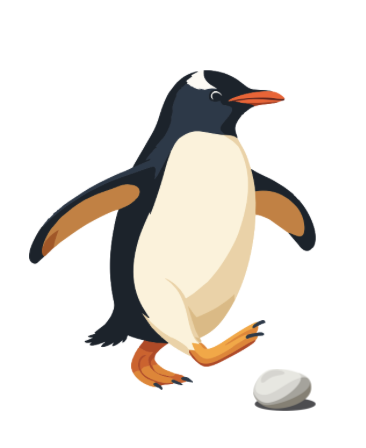
This might look like:
A cool rock, leaf or shell
A snack you like
a Meme, screenshot, or TikTok
A random object that reminded them of you
Sending a link or article “because this is so you”.
Info Dumping
Love is sharing interests, thoughts, or research—sometimes intensely.
“I LOVE YOU SO I’M LETTING YOU INTO MY BRAIN”.
This might look like:
Talking at length about a special interest
Sending articles, memes or facts
Explaining something in detail because it matters
Parallel Play / Co-Regulation
Love is shown by being together without the pressure to interact.
“I LOVE YOU ENOUGH TO BE NEAR YOU WITHOUT NEEDING PERFORMANCE”.

This might look like:
Sitting in the same room, doing separate activities
Sharing space while each person self-regulates
Feeling safe just existing, side-by-side.
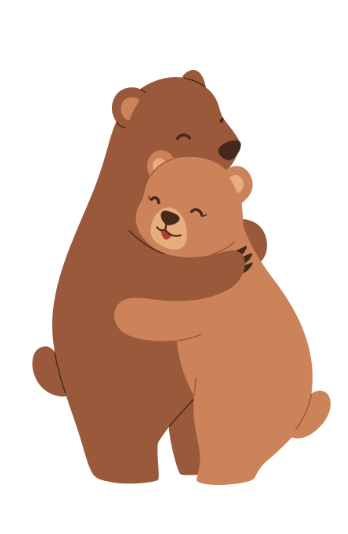
Deep Pressure
Love is shown through calming, grounding physical input.
“I LOVE YOU ENOUGH TO HELP YOUR NERVOUS SYSTEM FEEL SAFE”
This might look like:
Firm Hugs (not light touch)
Lying under a weighted blanket together
Sitting close with steady pressure
Hand squeezes, shoulder pressure, or holding legs/feet
Being “sat on” by a trusted person or pet (yes, really)
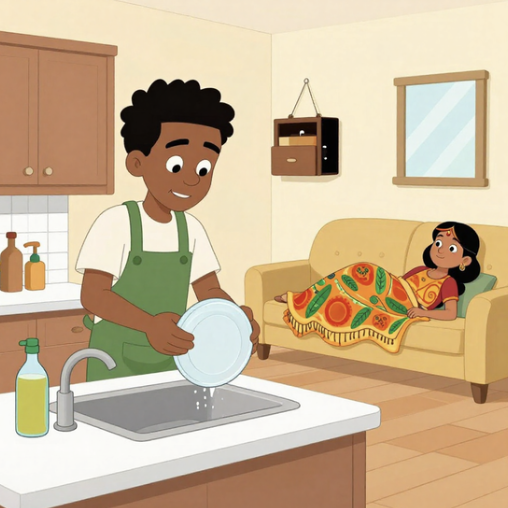
Support Swapping
One person supports while the other receives. Roles may switch depending on capacity, energy and regulation. Support is needs-based, not “equal” in the moment. It’s not transactional, it’s dynamic reciprocity.
“I LOVE YOU ENOUGH TO MEET YOU WHERE YOU ARE — AND TRUST YOU’LL MEET ME WHEN YOU CAN.”
This might look like:
One partner handles talking while the other shuts down
One person cooks while the other decompresses
One friend makes plans; the other follows through later
One parent regulates while the other steps in— then swaps.
Important Note:
These don’t replace traditional love languages—they expand them. Many neurodivergent people still value words of affirmation, touch, gifts, etc., but these five often capture how love is naturally expressed and felt in neurodivergent relationships.
